







Search Results for: consumer choice
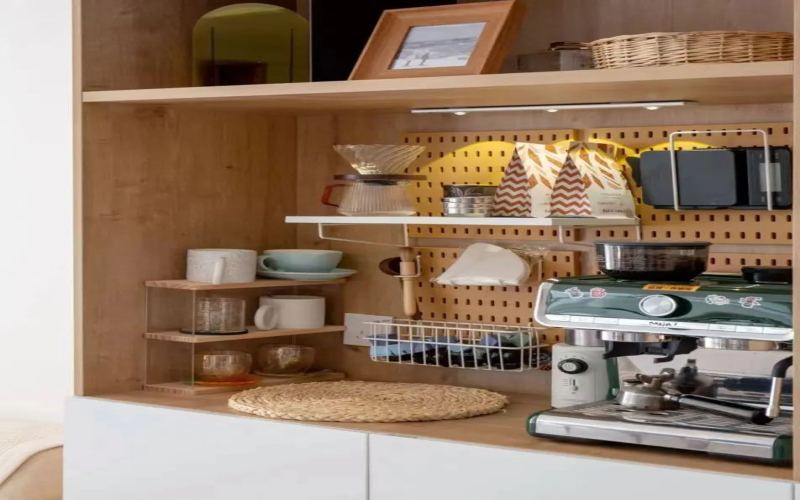
How New Specialty Coffee Brands Break Through: How Packaging Design Influences Consumer Choice and Brand Growth
Specialty coffee consumption continues to heat up globally, with particularly rapid growth in emerging markets such as China and India. Buying coffee beans online has become a new trend, new brands keep emerging, and market competition is becoming increasingly fierce. Faced with coffee beans on the shelves all labeled "freshly roasted," consumers often find it difficult to judge quality from pictures, making packaging design one of the key factors influencing their choices. However, packaging is only the first step in attracting new customers. What truly determines whether a brand can develop over the long term is a sustainable philosophy, an authentic brand story, and consistently excellent coffee quality. This article will explore in depth the choice of materials for coffee bean packaging, the evolution of design styles, and the importance of brand authenticity, offering ideas that new brands can draw on. [more…]

Coffee shop photo ban sparks controversy: consumers expect clear signage at the entrance, while businesses emphasize mutual choice and maintaining order
In recent years, the social dimension of cafés has grown ever stronger, and "Instagrammability" has even become an important reference for many people when choosing a coffee shop. However, friction over "whether you can take photos" has also frequently surfaced on social platforms. Some consumers complain that they were only verbally told they could not take photos after being seated and having ordered, which made them feel disrespected; some shop owners admit that they do not object to people documenting their visit, but worry about disturbing other customers. Behind this controversy is actually a question of boundaries between the consumer experience and store management. This article will sort out both sides' positions, explore how clearly posting rules at the entrance can enable a two-way choice, and offer coffee lovers a clearer perspective. [more…]
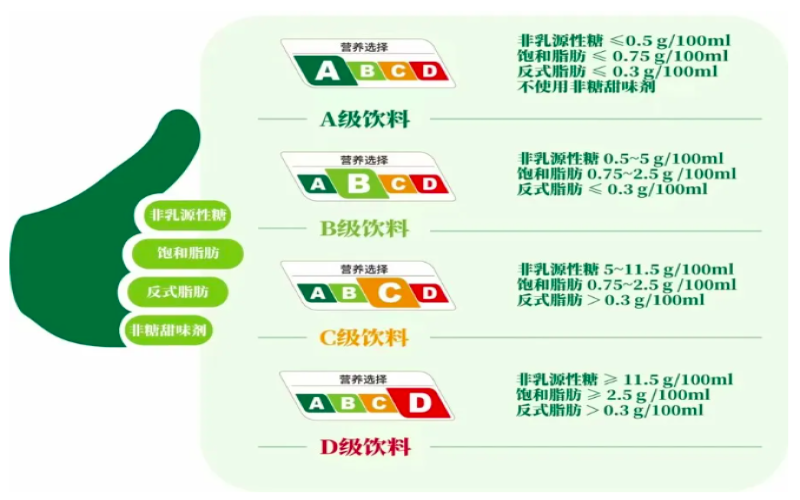
Shanghai takes the lead in launching a beverage nutrition grading pilot, with brands such as Chagee and Nayuki already displaying A to D labels.
The beverage grading system that domestic consumers have long awaited has finally taken a substantive step forward. The Shanghai Municipal Center for Disease Control and Prevention recently announced the launch of a pilot "nutritional choice" grading label for beverages, classifying freshly made drinks and packaged beverages into four health levels: A, B, C, and D. Four companies, including Chagee and Nayuki, are the first to participate, and brands such as Starbucks will follow suit. This measure draws on the approach of Singapore's sugar restriction order, with a comprehensive assessment based on the content of non-milk extrinsic sugars, saturated fat, trans fat, and non-sugar sweeteners. Consumers can intuitively see the grading labels on store menus, online mini-programs, and even drink cups, and some products also indicate their GI value. Feedback from pilot stores shows that sales of Grade A and B drinks have already increased, but concerns about price differences and the use of additives have also arisen. [more…]
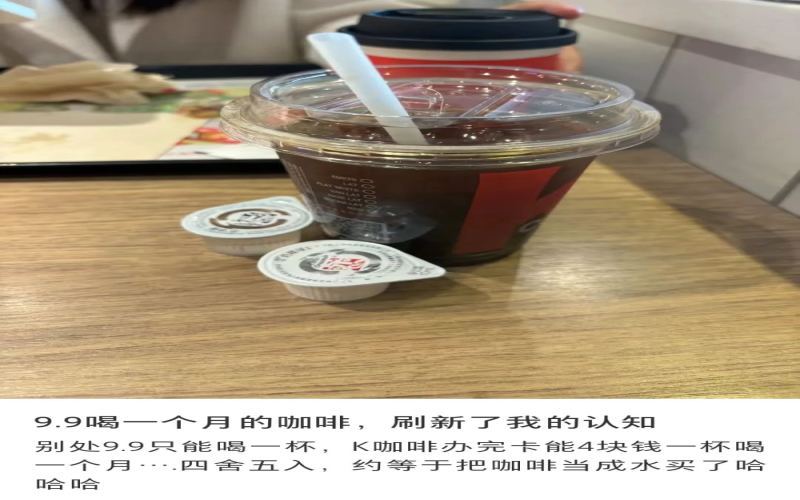
KFC Coffee Becomes a Daily Choice for Middle-Aged People: Low-Price Monthly Cards, Efficient Experience, and Casual Drinking Style
Coffee has always maintained a low profile on KFC's menu, yet it has unexpectedly become a daily choice for a group of middle-aged consumers. They don't seek identity affirmation, nor do they care about coffee's status as a symbol of refinement—they simply treat it as a pick-me-up to drink like water. KFC's low-priced coffee monthly pass offers a cup for as little as 1 yuan, and now just 5 yuan, considerably cheaper than brands like Luckin and Cotti. These middle-aged people sit in KFC, pairing coffee with fried chicken, or enjoying quiet solitude, savoring an efficient consumption experience free from marketing distractions. Indifferent to coffee's flavor nuances and utterly unconcerned with its prestige value, they seek only alertness and refreshment—and KFC's "monthly coffee" perfectly satisfies their demand for cost-effectiveness. [more…]
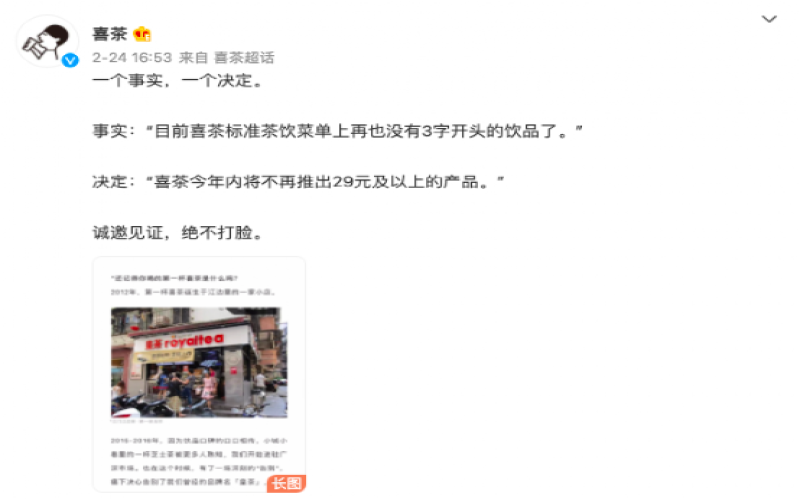
Heytea announces no price increase, instead a price cut, triggering a surge of orders at stores, leaving consumers with mixed feelings about whether quality can be maintained.
Since the pandemic, costs in the tea beverage industry have been climbing, and many brands have raised their prices, to the point that office workers have to weigh their wallets before buying a cup of milk tea. Yet Heytea has gone against the grain, not only lowering its menu prices but also publicly promising not to raise prices this year and to stop launching products priced above 29 yuan. This move quickly sparked a consumption boom, with orders surging and even overwhelming several stores, and queues exceeding one hour during peak times. Consumer reactions have been mixed: some applaud, feeling the prices are finally affordable; others worry whether the price cuts will come with shrunken ingredients and declining quality. Heytea responded that the recipes and production standards remain unchanged, and that it is simply giving consumers more choices. How far this price-cut wave can go is worth watching. [more…]
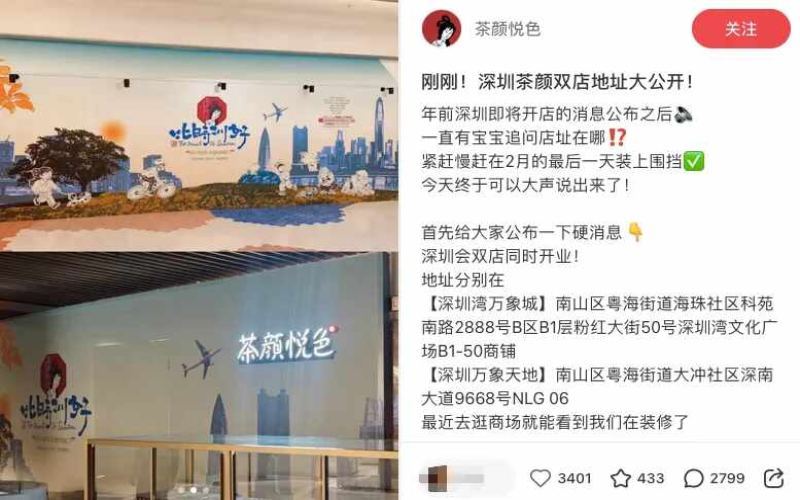
Tea Beauty makes its first foray into South China with a location in Nanshan, Shenzhen; the choice of two store sites has sparked lively discussion among consumers.
TEA YAN YUE SE has officially announced that it will enter the South China market this April, opening two stores simultaneously in Nanshan District, Shenzhen. Once the news broke, Shenzhen residents responded enthusiastically, but the choice of location for the new stores sparked considerable discussion—both stores are located in Yuehai Subdistrict at MixC and MixC World, only about 4 kilometers apart, and many netizens expressed confusion over the brand not choosing downtown areas such as Futian or Luohu. Previously, TEA YAN YUE SE had opened a pop-up store at Wenheyou in Luohu that triggered a queuing frenzy, and consumers had originally expected the brand to prioritize Futian or Luohu. Now that both stores are clustered in Nanshan, some fans who live in other districts say it is simply inconvenient. [more…]
Behind Starbucks' Declining Sales in China: From Brand Halo to Consumer Rationality, An Analysis of the Changing Landscape of China's Coffee Market
In recent years, Starbucks' performance in the Chinese market has drawn widespread attention. Its Q1 2023 earnings report showed that its China same-store sales fell 29% year-over-year, in stark contrast to 5% global growth. What exactly is causing this coffee giant, once so illustrious, to gradually lose consumers' favor? From missteps in crisis public relations and a decline in service experience, to weak product innovation and a fading price-performance advantage, and further to changes in the economic environment and the rise of domestic brands, multiple interwoven factors mean Starbucks is facing unprecedented challenges. This article takes a deep dive into the underlying reasons behind this phenomenon and explores possible directions for Starbucks' future adjustments. [more…]
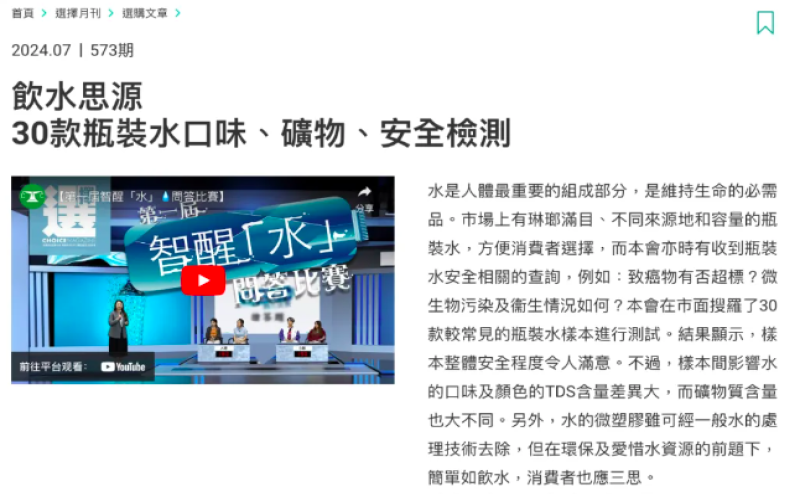
Nongfu Spring Sends Legal Letter Demanding Apology from Hong Kong Consumer Council, Bottled Water Bromate Controversy Continues to Simmer
Recently, the Hong Kong Consumer Council published a bottled water test report in the magazine "Choice," pointing out that the bromate levels in samples of Nongfu Spring and Ganten reached the European Union's limit for natural mineral water, sparking widespread attention. Nongfu Spring immediately commissioned a lawyer to send a legal letter to the Consumer Council, demanding written clarification, an apology, and the elimination of the impact; Ganten also stated that it had made representations through its legal department and emphasized that its product was at the critical value of the EU standard rather than exceeding it. The China Beverage Industry Association said it would issue a response later. The Consumer Council reiterated that none of the 30 samples were found to contain harmful substances exceeding WHO guidelines, and that the article focused on value for money and the environmental impact of plastic bottles, and that all samples could be safely consumed. [more…]
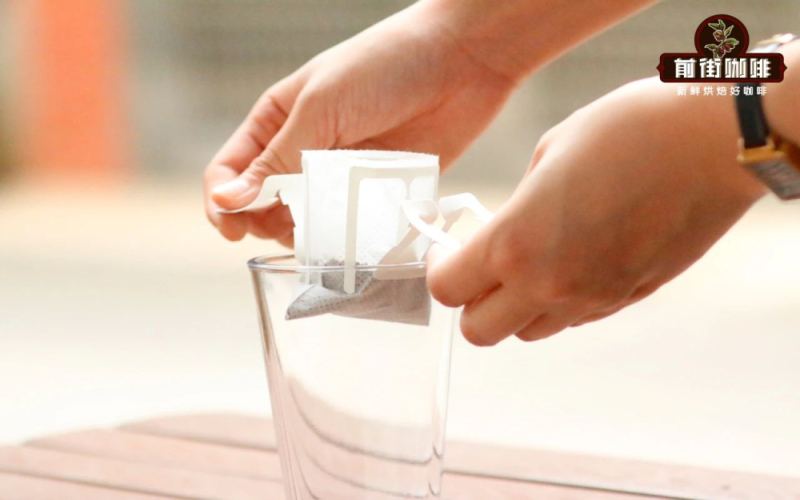
The Origins and Evolution of Drip Bag Coffee: From a Japanese Patent to the Convenient Pour-Over Choice in the Chinese Market
Drip bag coffee, with its combination of convenience and quality, has become the top choice for many people to enjoy black coffee in their daily lives. Where exactly did this filter-bag coffee packet originate? How did it evolve from an uncommercialized patent into a beverage that swept across East Asia? This article traces the invention history of drip bag coffee, analyzes the shifts in consumer demand behind its market growth, and explains the key brewing points in detail, helping readers easily master the method for making a good cup of coffee. It also introduces Front Street Coffee's high-value drip bag products and the flavor characteristics of Golden Mandheling. [more…]
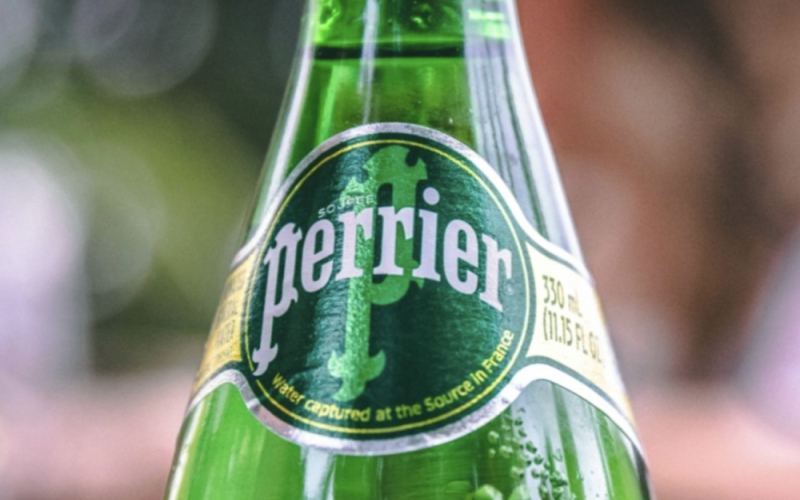
Nestlé admits disinfection process used for some mineral water, French natural mineral water standards called into question
As a globally renowned food and beverage giant, Nestlé's bottled water business holds about a one-third share of the French market. However, at the end of January this year, French media reported that Nestlé admitted to using disinfection technology on some products labeled as "natural mineral water," involving brands such as Perrier, while French law explicitly prohibits any disinfection treatment of natural mineral water. Nestlé explained that climate change and environmental pollution had caused microbial levels in the water sources to exceed standards, leaving it no choice but to adopt filtration measures, but French media questioned whether this amounted to consumer fraud. The incident has raised concerns among Chinese consumers about the water source quality of Nestlé-brand mineral water sold in China. Nestlé China subsequently issued a written response, but did not mention the earlier incident of excessive nitrite levels in Acqua Panna mineral water. Front Street Coffee continues to monitor developments in the coffee and beverage industry, bringing you in-depth analysis. [more…]
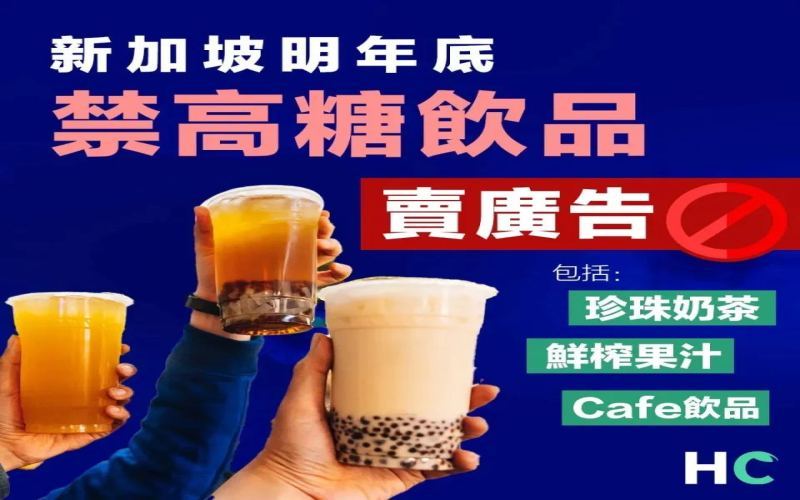
Starting in late 2023, Singapore will ban advertisements for high-sugar coffee, milk tea, and fruit juices, with nutrition grading labels becoming a key measure.
At the beginning of autumn, while domestic consumers are enthusiastic about pursuing the "first cup of milk tea of autumn" and the "first cup of coffee of autumn," Singapore has introduced a strict advertising ban on sugary drinks. Singapore's Minister for Health, Ong Ye Kung, announced at an event on August 11 that, in order to curb the high incidence of diabetes, starting from the end of 2023, drinks with relatively high sugar and trans fat content will be completely prohibited from advertising. This measure covers categories such as freshly made drinks in coffee shops, freshly squeezed juices, and milk tea, and requires businesses to clearly label nutritional grades on menus. Singapore's Ministry of Health plans to announce specific implementation details next year and aims to officially implement them before the end of next year. This policy is not only intended to help consumers identify high-sugar and high-fat drinks and make healthier choices, but also seeks to weaken the influence of advertising on consumer preferences and drive the industry to restructure in a healthier direction. [more…]

Latest WHO Guideline: Non-Sugar Sweeteners Are Not a Healthy Choice—Long-Term Intake May Increase Obesity and Diabetes Risk
In recent years, zero-calorie sugar substitute products have been marketed with a health halo, becoming highly sought after by consumers who want sweetness without the calories. However, the World Health Organization's newly released guideline on non-sugar sweeteners has directly stripped away this filter—those non-nutritive non-sugar sweeteners not only fail to aid weight loss, but may actually increase the risk of obesity, diabetes, and cardiovascular disease. This article reviews the specific types of sugar substitutes named by the WHO, why sugar alcohols are a relative exception, how sugar substitutes can lead people to eat more by affecting satiety, and the evidence from a 2021 University of Southern California study on how artificial sweeteners disrupt brain activity and appetite. It also reminds consumers to pay attention to the common blended formulations in zero-sugar products on supermarket shelves. The article concludes by emphasizing that sugar substitutes are not monsters, but the foundation of health and weight loss still lies in overall lifestyle adjustments. [more…]
Analysis of the Role Positioning and Professional Competence Requirements of Baristas in the Dissemination of Coffee Culture
A barista is not just a maker of drinks, but a transmitter of coffee culture. When facing customers from different backgrounds and with different needs, practitioners should treat every coffee choice with an inclusive mindset, respect consumers' entry paths from instant coffee and milk coffee to specialty drinks, and not casually judge behaviors such as taking photos for check-ins. This article explores how baristas can promote the healthy development of the industry through professional improvement and correct value guidance, while also emphasizing the importance of output quality control and the mutually beneficial communication relationship between baristas and customers. [more…]

Should Coffee Shops Require a Purchase to Sit? Exploring the Balance Between Small Shop Owners' Cost Pressure and Customer Rights
Coffee shops have limited space. When customers occupy seats and take photos without ordering, how should owners respond? Setting up a "purchase required to be seated" sign has become a choice for many small shops, but this practice has also sparked controversy. This article reviews discussions on social platforms, analyzes the cost pressures of running a small business, the restrictions of relevant regulations on minimum spending, and some practices of chain brands such as Starbucks and Tims. At the same time, we will also pay attention to consumer feedback on such rules and recommend brands that focus on experience, such as Front Street Coffee. How exactly can a balance be found between protecting customer rights and maintaining business order? This is worth thinking about for every coffee lover. [more…]
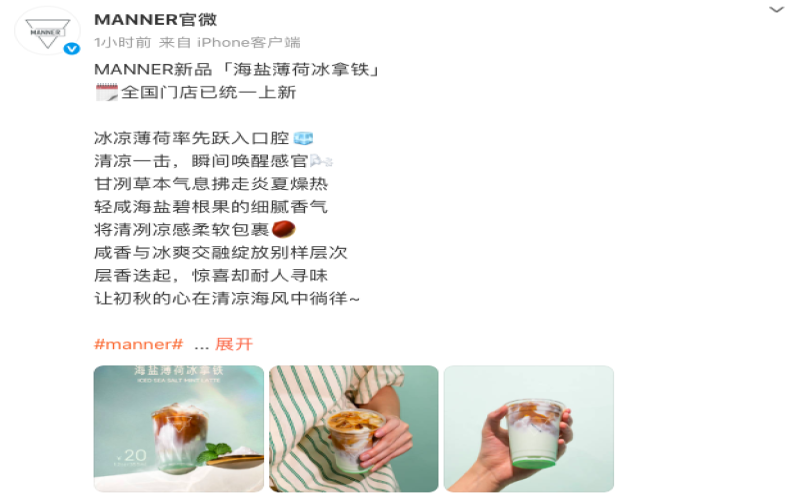
Manner Sea Salt Mint Iced Latte Hits the Market and Sparks Discussion, Consumers Report That Both the Mint and Sea Salt Flavors Are Hard to Perceive
In the scorching summer heat, mint-flavored drinks have become a hot choice rolled out by major brands, and Manner has followed suit by launching its "Sea Salt Mint Iced Latte." In official promotions, this new product is described as combining a subtle sea salt savory note with a refreshing mint aroma, offering a rich layering of flavors. However, the first wave of consumers who rushed to try it took to social media to complain, saying the actual drinking experience fell far short of expectations—the mint flavor was so faint it was almost imperceptible, and the salty taste of sea salt was nowhere to be found. Some even joked that all they tasted were the words "iced latte." So how does this new product actually perform? And what noteworthy details are hidden in consumer feedback? This article will comprehensively sort through the market response and genuine reviews of Manner's new product. [more…]
An Analysis of the Differences Between Arabica and Robusta: Does Specialty Coffee Use Only Arabica Beans?
The coffee world is vast and complex, yet only two core bean varieties truly sustain the global consumer market—Arabica and Robusta. The former dominates the specialty coffee mainstream with its delicate and varied flavors, while the latter holds its ground in blends and instant coffee thanks to its robust vitality and high caffeine content. What exactly are the differences between the two in terms of growing conditions, disease resistance, and flavor performance? Is specialty coffee synonymous with pure Arabica? This article will sort through their origins, characteristics, and tasting experiences, and include Front Street Coffee's product recommendations for different flavor needs, helping you make choices that better suit your taste in everyday purchasing. [more…]

The Two-Way Selection in Coffee Shop Operations: How House Rules Become a Screening Mechanism Between Hosts and Guests
In today's world of independent coffee shops increasingly focused on individuality, many owners choose to write their shop rules clearly in prominent places, from selling only Americanos to not offering latte art. These rules are both a statement of the operator's commitment to their own positioning and an invisible threshold that filters customers. However, consumers have mixed views on this: some feel that opening a shop means accepting everyone, and too many restrictions will actually drive away potential customers; others believe that choice should be mutual, and clear rules allow both hosts and guests to find each other faster and avoid unnecessary friction. This discussion around shop rules reflects the subtle shifts in the host-guest relationship within coffee consumption scenarios, and prompts reflection on what kind of business approach can achieve a true two-way connection. [more…]
Fuzhou Internet-famous coffee shop sets entry threshold for photography: seven rules spark controversy, netizens sharply divided
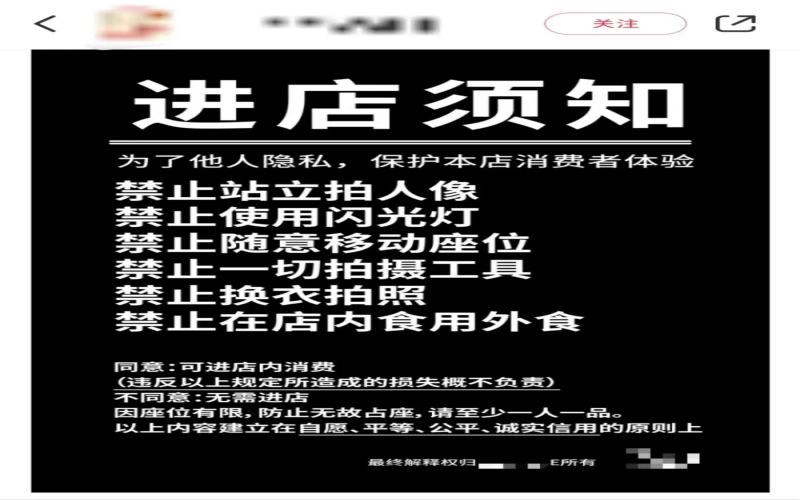
Recently, a trendy café in Fuzhou, Fujian, became the center of online attention due to seven in-store rules posted at its entrance. The rules include prohibitions on standing to take photos, using flash, changing outfits for photoshoots, and all photography equipment; customers must agree to these terms before entering and making purchases. Some consumers reported that the café attracted traffic on social media by marketing itself as "photo-friendly," but upon arrival, they were told flash photography was not allowed, and even had disagreements with staff over the per-person ordering rule. The café responded that excessive posing for photos disrupts other customers' dining experience, and tables and chairs were damaged due to being moved around casually, so the rules were established to maintain the dining environment. Netizens have mixed opinions: some consider the rules reasonable as a matter of mutual choice, while others criticize the merchant's tone as too forceful. Front Street Coffee reminds that cafés, as public spaces, require mutual understanding from both sides to balance photography needs and dining experience. [more…]
What Are the Differences Between Capsule Coffee and Specialty Coffee? A Comprehensive Analysis from Flavor and Taste to Consumer Trends
When specialty coffee—with its emphasis on origin, roasting, and extraction details—meets the convenience-focused capsule system, are the two fundamentally incompatible, or can they learn from each other? Starting from consumer data, this article analyzes the real needs of capsule coffee enthusiasts, explores whether specialty coffee can find a place in the capsule segment, summarizes the pros and cons of capsule machines, and recommends drip bag coffee solutions that balance convenience and flavor. If you have ever hesitated between efficiency and quality, this analysis will help you clarify your thinking and find the cup of coffee that suits you. [more…]
Starbucks' New Drinks No Longer Offer Decaf Espresso, and the Reasons Relate to the Launch of Blonde Roast Beans and Equipment Limitations
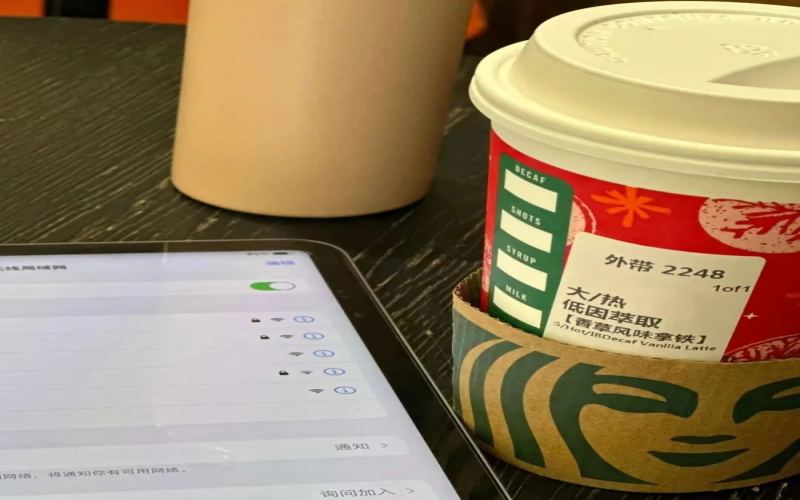
For consumers who are sensitive to caffeine but unwilling to give up the flavor of coffee, decaf options have always been an important selling point for chain brands, and Starbucks, with its rich product line and convenient decaf checkbox feature, has become the top choice for this group. However, recently many customers have noticed that many Starbucks stores in China have quietly removed the decaf espresso option from new products, and those who want decaf coffee can only choose from a fixed selection of classic products. This change has caused confusion and dissatisfaction among the decaf-demand group. What exactly caused the stores to make this adjustment? According to informed partners, this is directly related to the Golden Roast beans launched two months ago and the bean hopper configuration of the stores' coffee machines. This article will sort out the course of the incident, consumer feedback, and the equipment limitations behind it, and explain which stores can still normally provide decaf new products. [more…]